
Last updated November 20, 2026
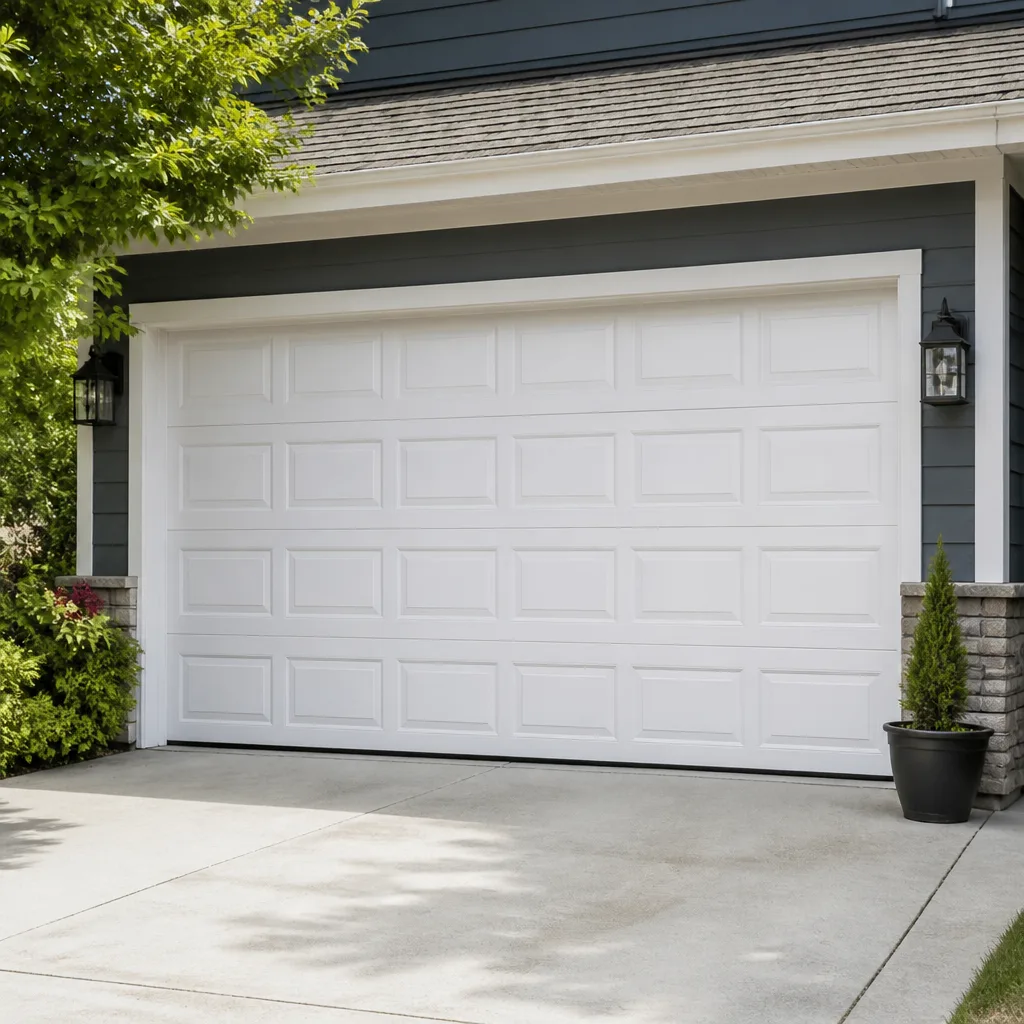 Raised-panel steel
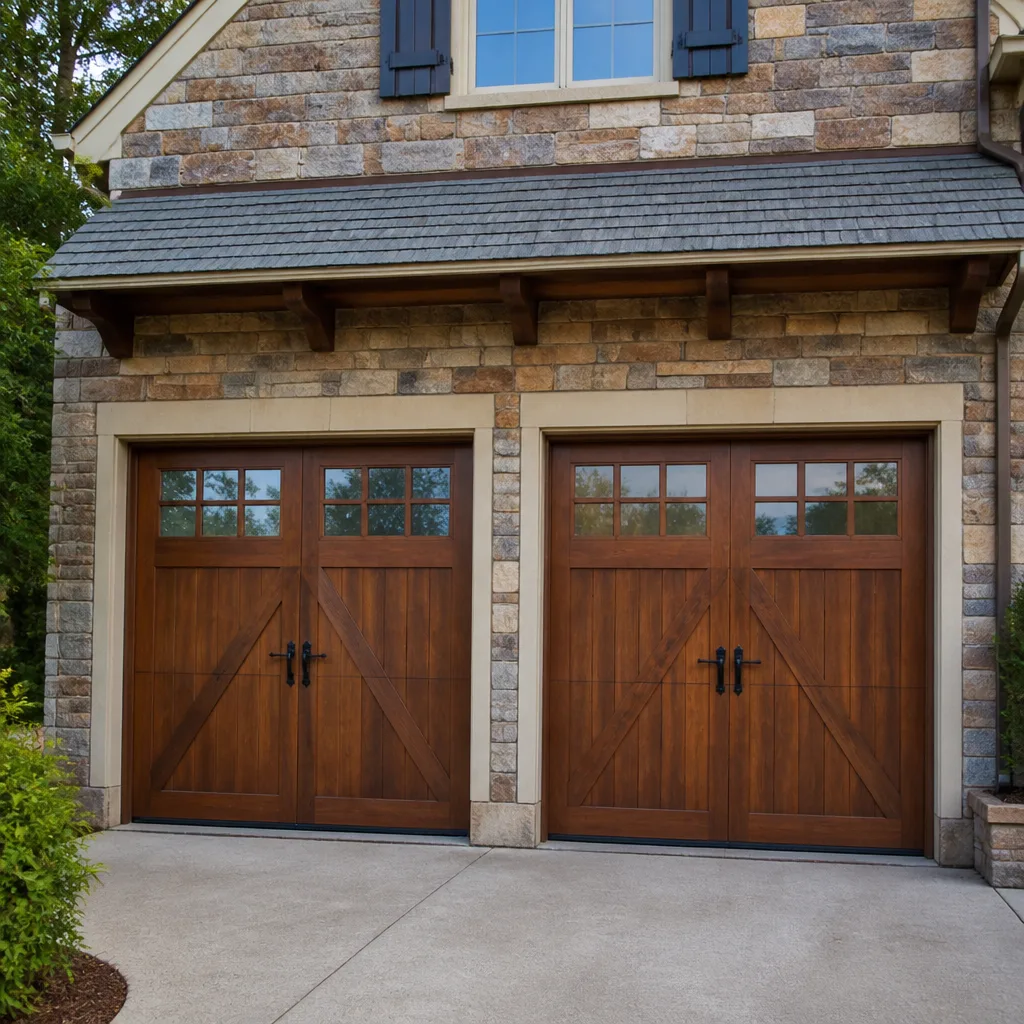 Carriage house
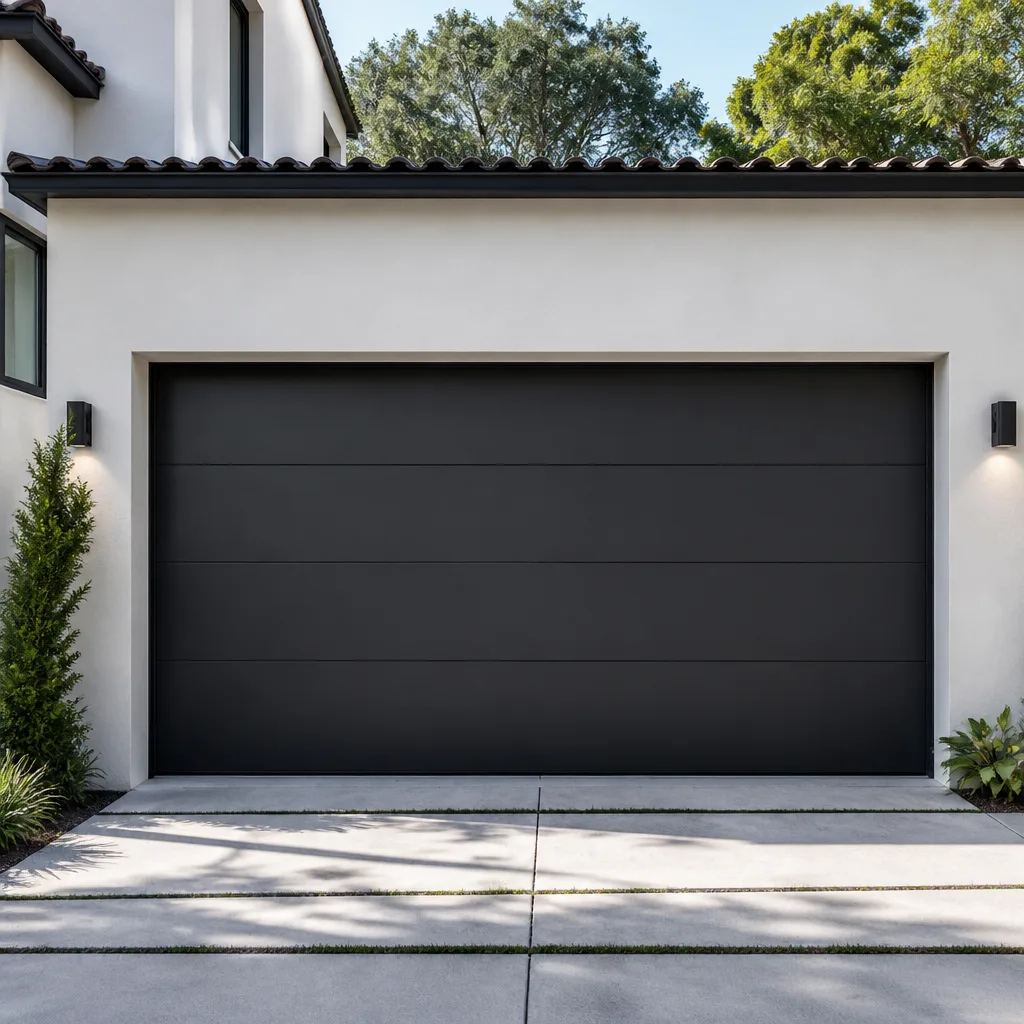 Modern flush
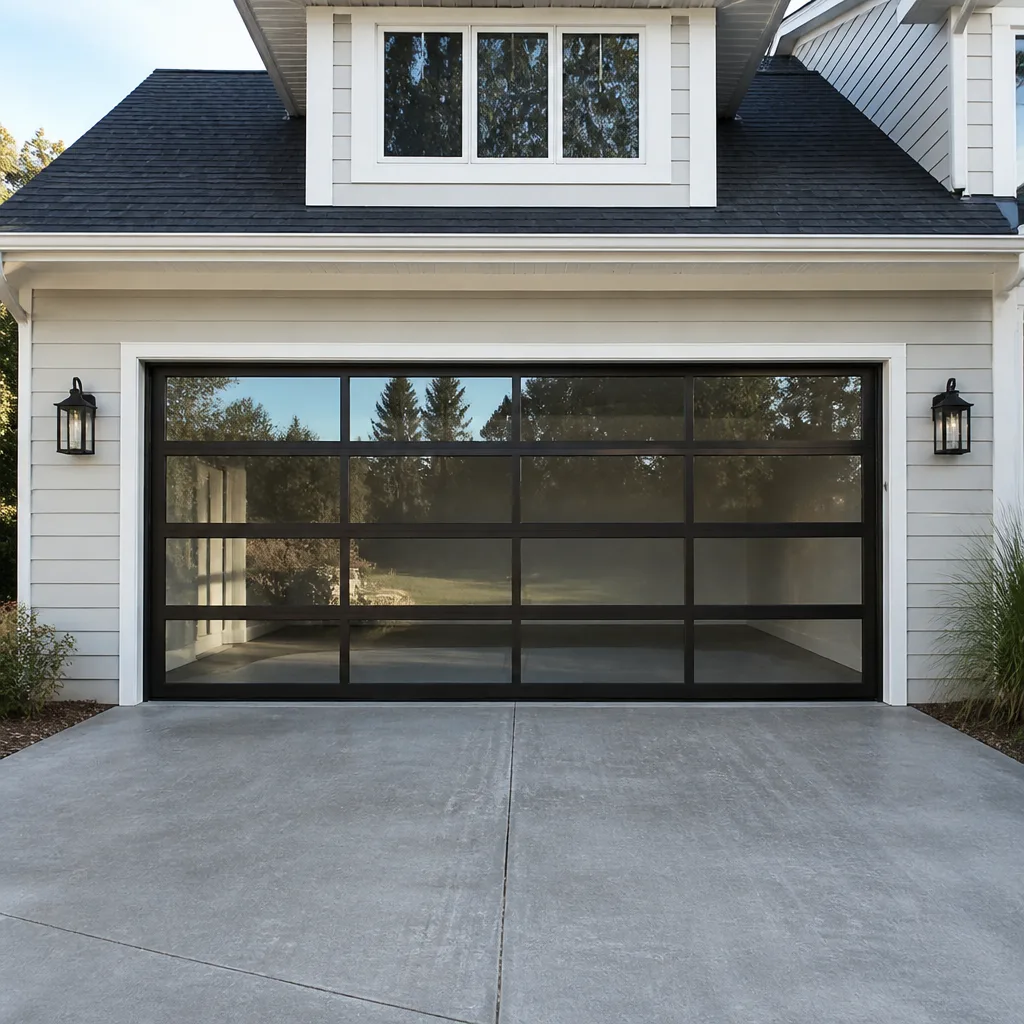 Full-view glass
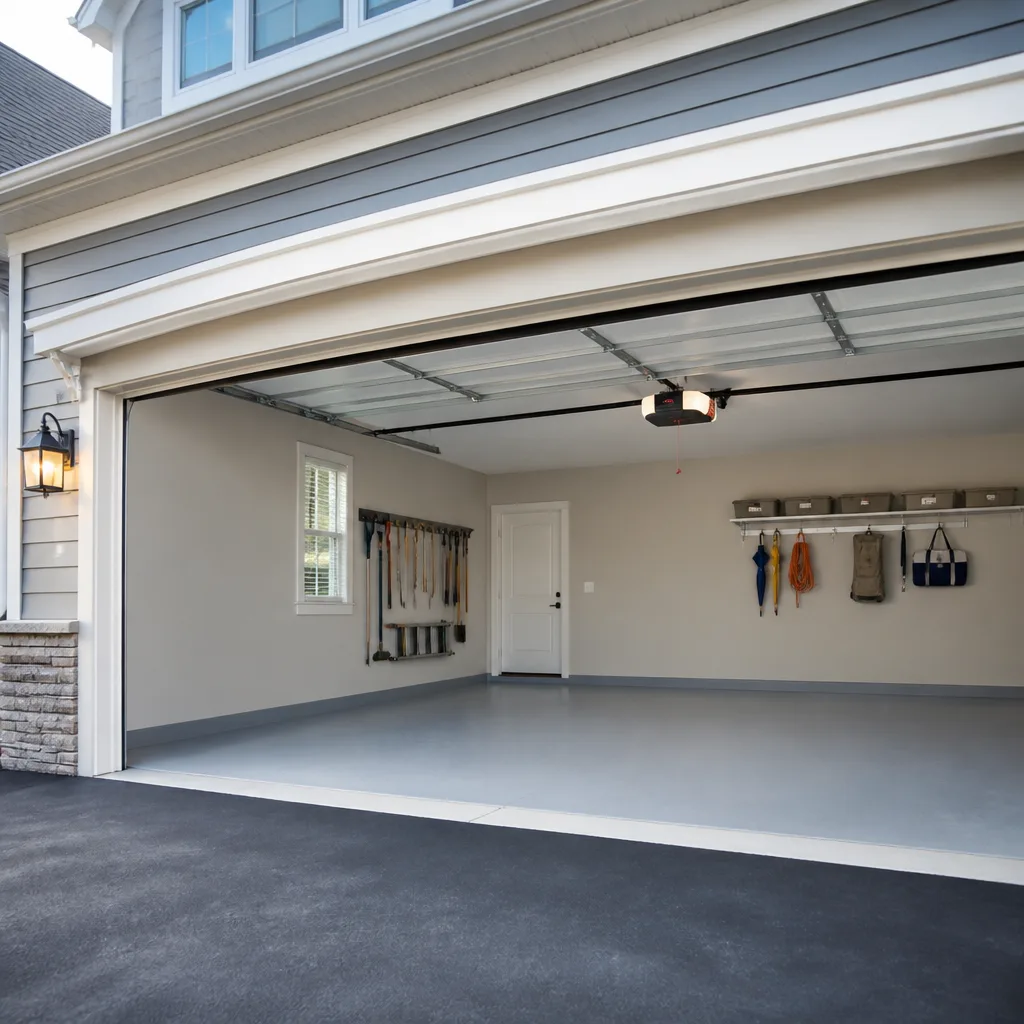 LiftMaster openers
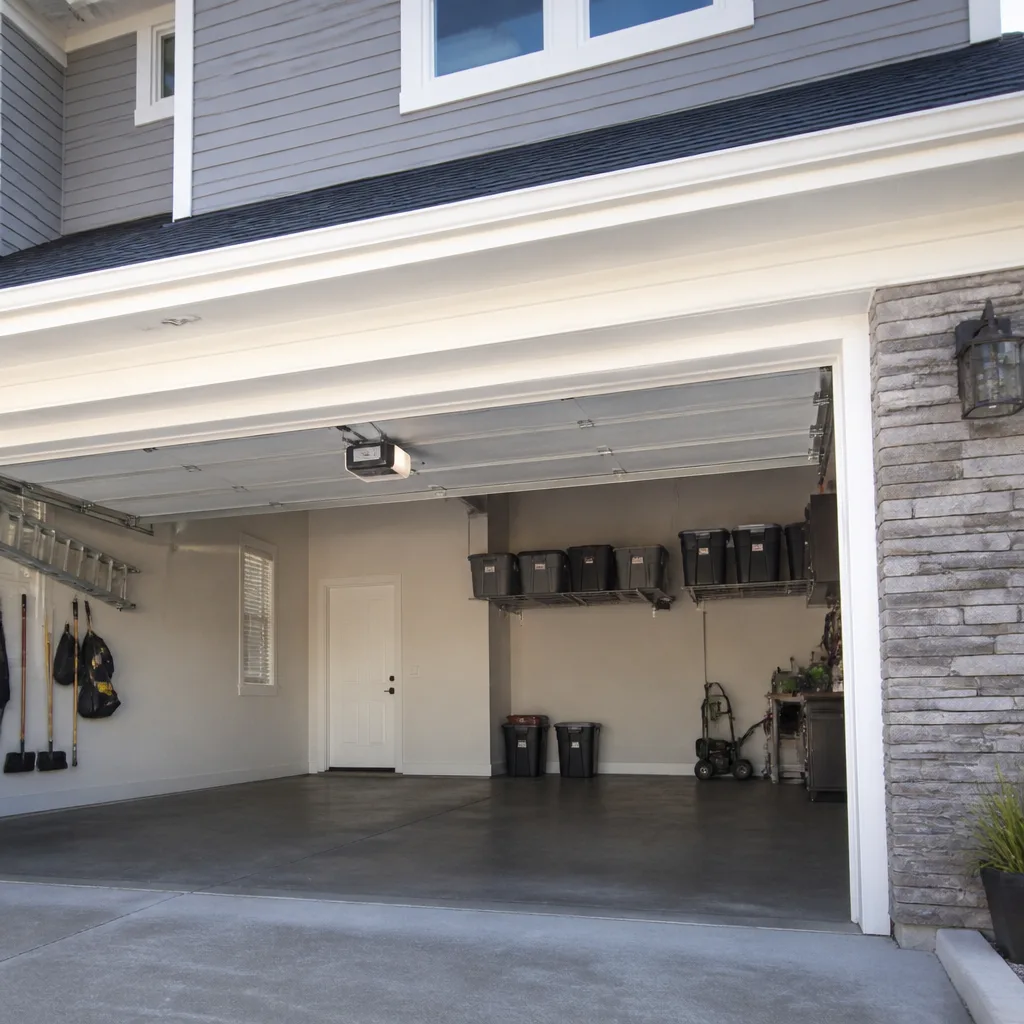 Chamberlain openers
Full 25-point door and opener safety check with every visit - springs, cables, rollers, tracks, and your LiftMaster or Chamberlain opener included
You get a price before we start. It does not change when the pro arrives.
Get your free estimateGarage Door Permits, Codes & Inspections in Seven Hills, CO: What You Need to Know
Here’s a point that surprises a lot of Seven Hills homeowners: swapping out a garage door isn’t always just maintenance. Change the size, the weight, the track layout, or the opening itself, and you may cross the line from a simple repair into work that needs a building permit from Jefferson County. That threshold is genuinely murky, and plenty of contractors never bring it up. We’ve walked into garages where a door was installed years ago without anyone mentioning paperwork. This guide clears up when a permit applies in Seven Hills, what an inspection actually checks, how your HOA fits into the picture, and what happens if unpermitted work turns up during a home sale.
Quick Answer
A straight like-for-like garage door replacement in Seven Hills usually counts as ordinary maintenance and doesn’t require a building permit, but structural changes to the opening, a new door in a different size or configuration, or adding an opener circuit to a previously unpowered garage typically do require one through Jefferson County. Doors between an attached garage and the living space must also meet the fire-separation requirements in the building code. When in doubt, ask the county building department before the work starts, not after.
Styles & brands we work with
- Raised-panel steel
- Carriage house
- Modern flush
- Full-view glass
- LiftMaster openers
- Chamberlain openers
Table of Contents
- Does a Garage Door Replacement Need a Permit in Seven Hills?
- How the Jefferson County Permit Process Works
- The Fire-Rating Rule Between Garage and Living Space
- How Seven Hills HOA Review and County Permits Interact
- What a Rough-In Inspection vs. a Final Inspection Covers
- How Unpermitted Work Shows Up at Resale
- Openers, Safety Reversing, and Code Compliance
- When to Bring In a Specialist
Does a Garage Door Replacement Need a Permit in Seven Hills?
Sometimes yes, sometimes no, and the deciding factor is whether the job is a true replacement or a change to the structure. A same-size door going back into the same opening with the same track and hardware is generally treated as maintenance. The moment the scope grows beyond that, you’re likely looking at a permit.
Here’s the practical split we explain to homeowners across Seven Hills. Use it as a starting point and confirm with Jefferson County, because the final call belongs to the building department, not to us or any other contractor.
- Usually no permit: replacing a damaged door panel with an identical one, changing a spring or cable, replacing rollers and hinges, swapping an opener motor for one of the same type and mounting.
- Often needs a permit: installing a door in a wider or taller opening, changing from a single door to a double door (or the reverse), converting a manual door to a powered one where no power circuit existed, or altering the header above the opening.
- Needs a permit and engineering review: cutting a new garage door opening into a wall, widening an existing opening, or removing or modifying a structural header. These change how the wall carries load, and the county will want to see how that load is handled.
The confusion in Seven Hills usually comes from the word “replacement.” To a homeowner it means “the old door comes out and a new one goes in.” To the county it means “are we altering the building?” Those two definitions don’t always line up, and that gap is where unpermitted improvements creep in. If you’re planning a new door, it helps to read our page on garage door installation before you finalize the measurements, because the size you choose can decide whether a permit is in play.
What counts as “like-for-like” in practice
Like-for-like means same opening, same dimensions, same style of door, same method of operation. If you’re replacing a tired Clopay steel door with another Clopay of matching size, that’s the cleanest case. If you’re going from a standard door to a taller carriage-style Amarr door with a different track radius, the installation is doing something different, and the county may see it that way too. When the door retrofit changes the opening or the overhead clearance, treat it as permitting territory.
How the Jefferson County Permit Process Works
Permits for garage door and structural work in Seven Hills go through Jefferson County’s building department, not a city office. The county reviews applications and inspects the work. The steps stay fairly consistent from job to job:
- Confirm the scope with the county. Call or check the building department’s online resources and describe exactly what’s changing. Be concrete: “replacing a 16-foot door with a new one of the same size” is a different conversation than “installing a new door.”
- Assemble the drawings and product information. For a straight swap you may only need the door specs. For anything structural, expect to provide plans showing the opening, the header, and how the load path works. Manufacturer specifications from Clopay, Amarr, or whichever brand you’re installing usually form part of the submission.
- Submit the application and pay the fee. Permit fees are set by the county and depend on the valuation of the work.
- Schedule inspections. Depending on the scope, one or more inspections happen before the job is signed off. A structural change will need to be looked at before the wall is closed up.
- Get the final sign-off. Once the final inspection passes, the permit is closed and the work is on record. Keep that record; it’s your proof if you sell the home later.
One honest caveat: Jefferson County’s exact fee schedule and submission requirements change, so we won’t quote them here. Treat the process above as the shape of the thing and confirm the current details directly with the building department before you file.
Climate and geography, briefly
Seven Hills sits in the foothills west of Denver, and the freeze-thaw swing here works garage door hardware harder than in milder climates. Heavy snowpack years and hot summers both stress a door’s seals and springs. That matters for permitting only indirectly, but it matters a lot for the door you choose and how often the hardware needs attention. When a door nears the end of its life, the fix is scheduled work, not a same-day scramble.
The Fire-Rating Rule Between Garage and Living Space
If your garage is attached to the house, the wall and door between them is treated as a fire separation, and the building code has specific things to say about it. The reason is simple: a garage is where flammable liquids, vehicles, and stored goods tend to live, and the code wants to slow a garage fire before it reaches the bedrooms. That requirement shapes both which door you can buy and, in some layouts, which opener setup makes sense.
The core points to understand:
- A door between an attached garage and the living space needs to hold up as a fire-rated assembly, and the wall itself needs adequate fire separation.
- That affects door selection. If your setup includes a passage door from the garage into the house, you can’t just hang any interior slab there. It has to be rated for the job. This is separate from the big overhead door, though both live in the same structure.
- Self-closing hardware matters. A fire door that gets propped open does nothing. If you’re replacing that door, the closer and latch should be part of the scope, not an afterthought.
- Working in an attached garage can open the fire separation. When a new overhead door opening is cut, or the header above it changes, the new assembly has to hold the same separation as the old one.
This is one reason we push homeowners to let a specialist size the opening and the door together. A door that’s the wrong fire rating, or a passage door that isn’t rated at all, can pass unnoticed for years and then become a problem when someone finally looks. If you’re also refreshing your entry setup, our garage door repair team can walk the whole assembly with you so nothing gets missed.
How Seven Hills HOA Review and County Permits Interact
Many Seven Hills neighborhoods are governed by a homeowners association, and this is where homeowners get tripped up: an HOA architectural review and a Jefferson County building permit are two separate processes. One can apply without the other. Both can apply at the same time. Clearing one doesn’t clear the other, and confusing them is how people end up with a door that’s fine with the county but not fine with the architecture committee.
Here’s how the two differ:
- Purpose. The county permit is about safety, structure, and code compliance. The HOA review is about appearance and neighborhood consistency: color, style, window layout, and sometimes the door’s profile as seen from the street.
- Who decides. The county building department sets the code requirements. The association’s architectural review committee sets its own style rules.
- Timing. HOA approval often needs to come before the door is ordered, because the committee can require a specific finish or a model that fits the neighborhood character. The county permit needs to be in hand before structural work starts.
- Documentation. Both processes generate paperwork, and keeping both sets together saves headaches at resale. We’ve seen situations where the county file was clean but the HOA file was missing, and the record keeping caused friction later.
Most associations in this area will ask for a product spec sheet and a photo or rendering of how the door will look. That’s one place brand choice actually helps, because Clopay, Amarr, and other major lines publish clean specification documents and finish samples the committee can review.
What a Rough-In Inspection vs. a Final Inspection Covers
If your job involves a structural change, the county will want to see the work at two stages. Getting these straight ahead of time keeps the project from stalling.
Rough-in inspection
This happens after the structural work is in place but before it’s concealed. For a garage door opening, that means the framing and the header are visible. The inspector checks the size of the opening, the header material and its connections, and how the load is carried. It’s a chance to catch a design problem while it’s still cheap to fix. If you wall over the header before this inspection, you may be asked to open it back up.
Final inspection
This happens after the door and hardware are installed. The inspector checks that the finished work matches the approved plan, the opening dimensions are correct, the door operates on its track as intended, and the assembly meets the fire separation when the garage is attached. If an opener is part of the permitted work, the safety features get looked at too. Only when this passes is the permit closed.
What the inspection is not doing is quality judging your door. It’s checking code compliance and safety. A flawless-looking install can still fail if the header isn’t what was approved, so the inspection sequence exists to keep everything aligned with the plan.
How Unpermitted Work Shows Up at Resale
When you sell a Seven Hills home, the title search and the buyer’s inspection can surface improvements that don’t match the county record. A garage door replacement that changed the opening without a permit is exactly the kind of thing that can show up. Not always. Plenty of unpermitted swaps go unnoticed because a same-size door leaves no obvious paper trail. It’s the structural and dimensional changes that raise flags.
What remediation usually looks like:
- Identify what was done. Compare the current garage layout against the county’s record. The building department can help pull the history.
- Determine whether it should have been permitted. This is the key question. If it was like-for-like, there may be nothing to do. If it altered the structure, the county may want a retroactive review.
- Get it inspected and documented. In some cases the county will review the existing work and, if it meets code, issue the documentation. In other cases corrections are needed first.
- Fix what doesn’t meet code. That could mean re-doing the header, correcting the fire separation, or replacing a door that doesn’t meet the rating required for that opening.
- Put the paperwork in the disclosure. Once resolved, keep the permits and inspection records and disclose them cleanly during the sale. A documented fix is far less disruptive than an open question.
Our advice to anyone buying or selling in Seven Hills is to pull the permit record for the garage before closing. It’s a small step that prevents a big surprise. If you’re the buyer and you see work that looks newer than the record shows, ask about it before you sign.
Openers, Safety Reversing, and Code Compliance
The overhead door is one part of the picture; the opener is another. Modern openers are required to have a working safety reversing feature, the mechanism that stops and reverses the door if something is in its path. If you’re installing an opener as part of permitted work, that feature is part of what the final inspection checks. Older openers in Seven Hills homes sometimes predate the current standard, which is one reason an opener upgrade often happens alongside a door replacement.
This is also where brand fluency earns its keep. We service LiftMaster, Chamberlain, Genie, Craftsman, and Raynor openers, among others, and the safety setup differs from one model family to the next. A LiftMaster or Chamberlain unit tied into the myQ ecosystem may need its sensors and travel limits set a particular way to pass inspection. A legacy Genie or Craftsman unit has its own adjustments. Knowing the specific system before you touch it is the difference between an inspection that passes and one that comes back.
Our garage door opener repair service handles the repair side of that, but the important thing during a permitted job is that the opener and the door are treated as one system. If you’re unsure whether your opener meets current standards, have it checked as part of the door project rather than as an afterthought.
When to Bring In a Specialist
Permit questions and structural changes are exactly the kind of work that’s safer with a specialist than a generalist. We answer 24/7, with fast dispatch from 7am to 7pm, Sunday through Friday. If a door fails, a call outside dispatch hours is booked into the next opening.
Here’s when to call for help:
- A door is out of alignment or the tracks are bent, and you’re unsure whether the repair crosses into structural territory
- You’re planning to change the opening size or add a door, and you want to know what the county will require
- A spring or cable has failed, which is dangerous to handle without the right tools and training
- An inspection came back with a correction and you need the work done to spec
- You’re replacing a door and want to choose the right model for the opening and the fire separation
High-tension springs and cables can cause serious injury if handled without proper barring and clamp tools. That’s a job for a trained technician, not a homeowner with a ladder. Our technicians have up to 15 years of experience, and we work on the brand already in your garage.
Common Mistakes to Avoid
- Assuming “replacement” always means “no permit.” Same-size doors usually don’t need one, but changing the opening or the header usually does. Confirm the scope with Jefferson County before the door is ordered.
- Clearing the HOA but skipping the permit, or the other way around. The two processes are independent. A Seven Hills homeowner can get HOA approval and still owe the county a permit, so run both tracks in parallel.
- Wallowing over the header before the rough-in inspection. If structural changes are on the permit, the framing has to be visible for the rough-in. Closing it up early can force you to open it again.
- Ignoring the fire separation. A passage door between the garage and the living space needs to be rated for the job. Replacing it with a standard interior door erases the protection the code requires.
- Letting an older opener ride along unchecked. If the door is being replaced, have the opener’s safety reversing tested at the same time. An opener that doesn’t reverse correctly is a genuine hazard.
- Misplacing the paperwork after the job. Keep the permit, inspection records, and HOA approval together. That file is the difference between an easy resale and a scramble.
- Trying to fix a broken spring or a bent track yourself. Springs are under extreme tension, and a bent track can shift under load. Both are professional work.
See the difference
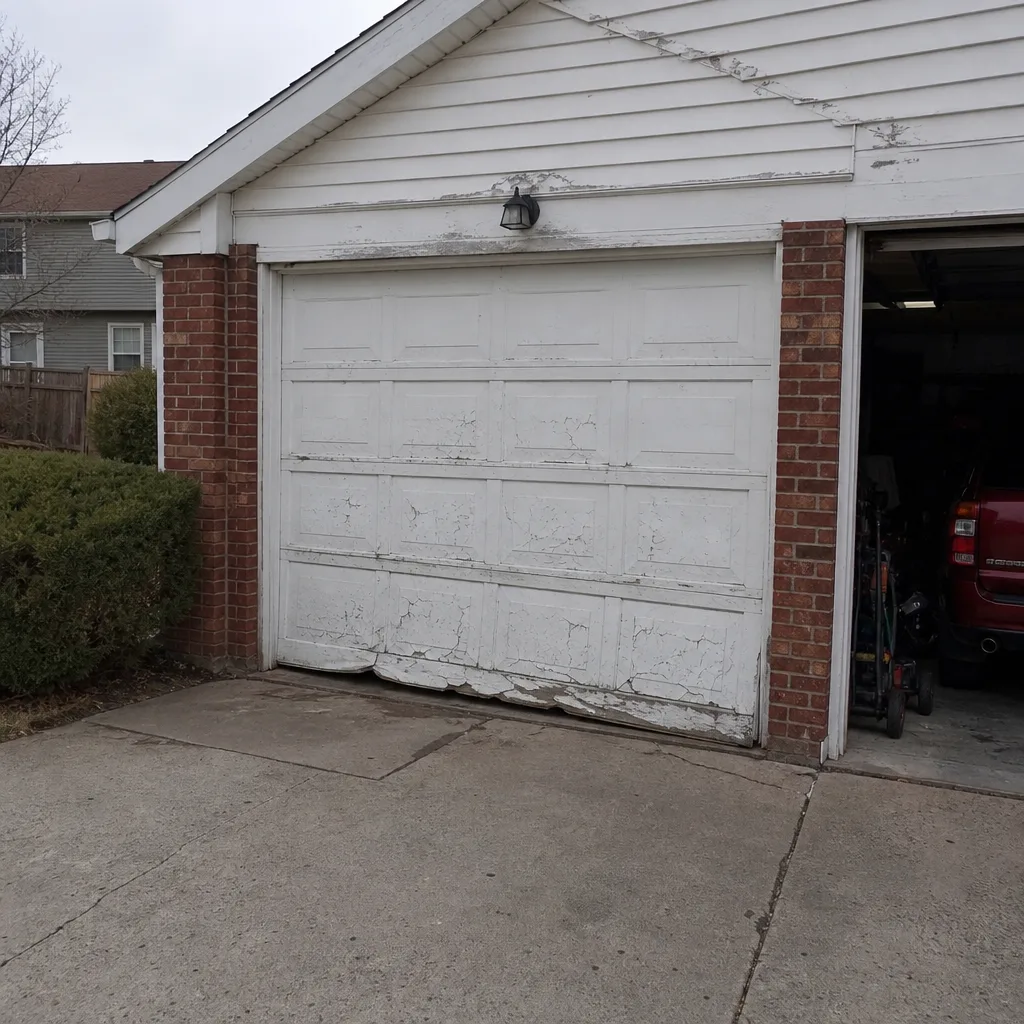 Before
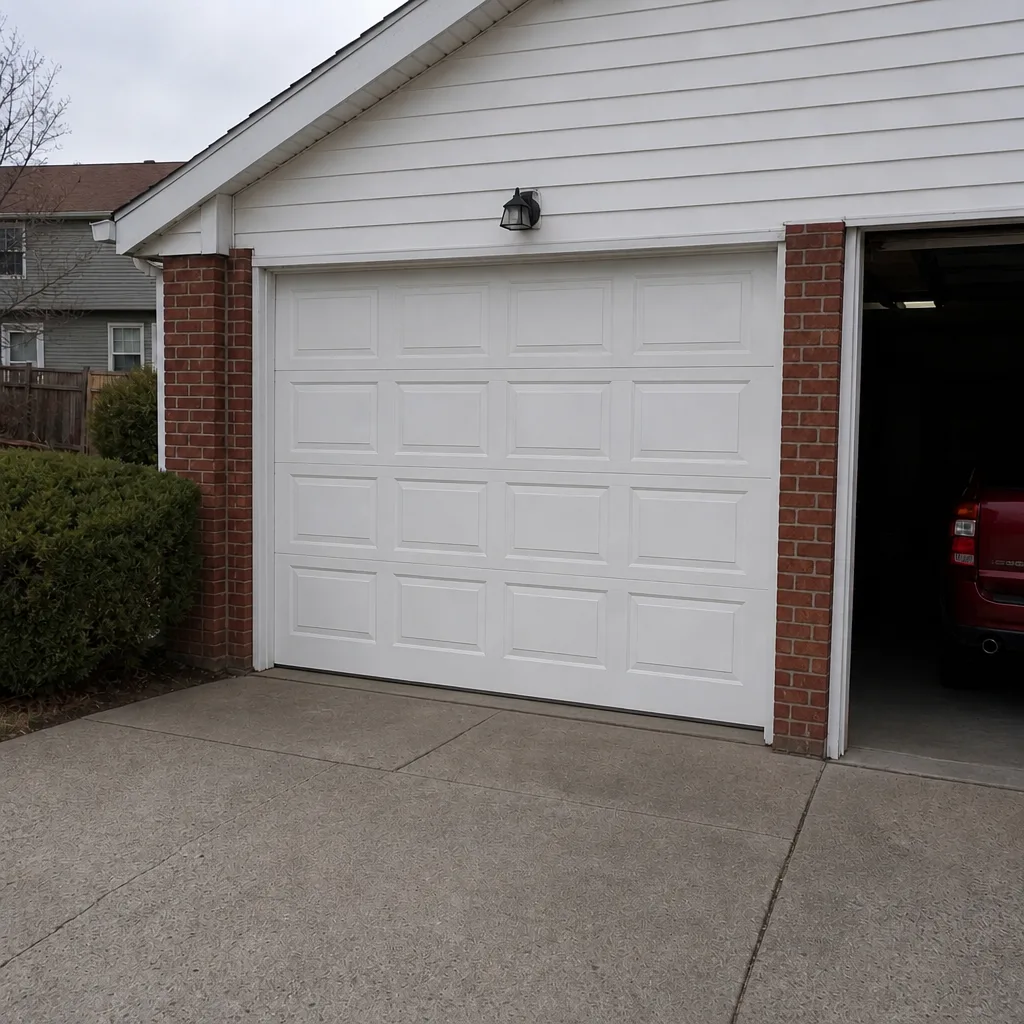 After
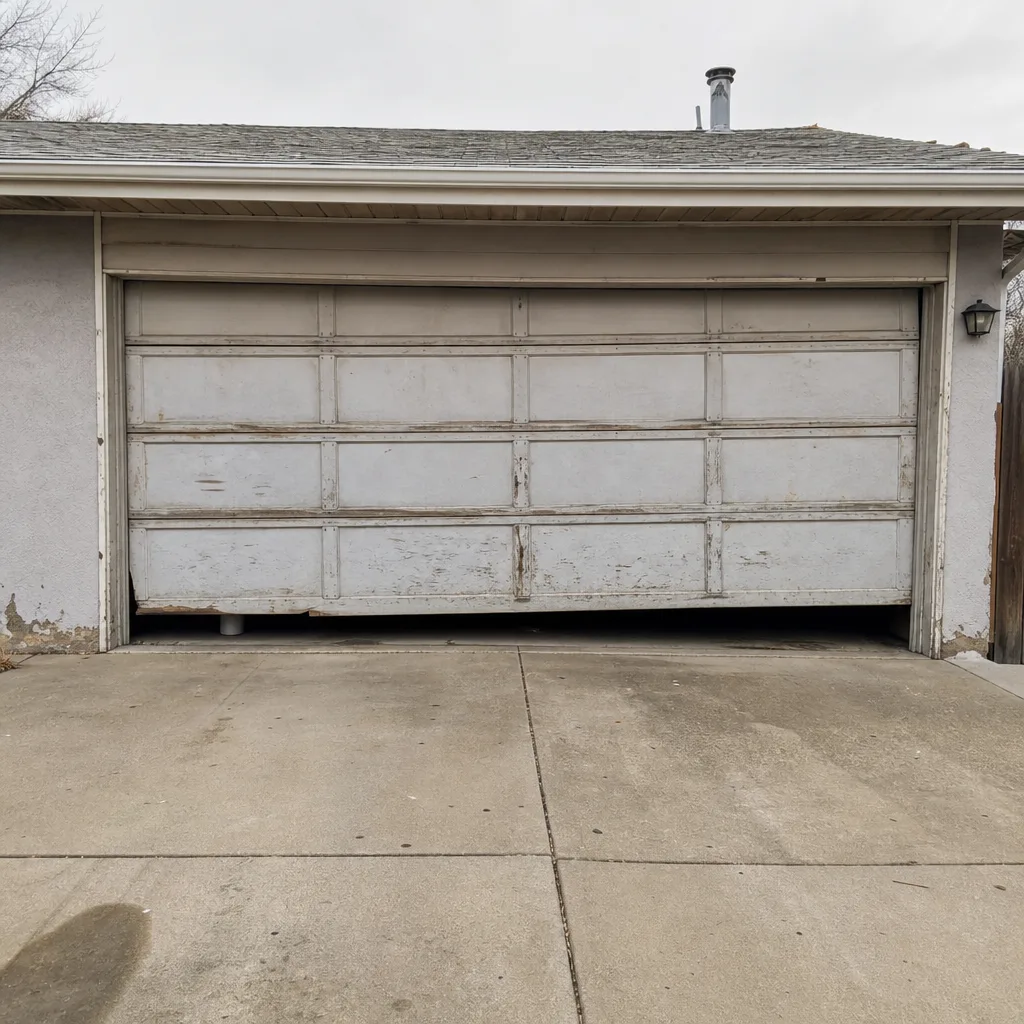 Before
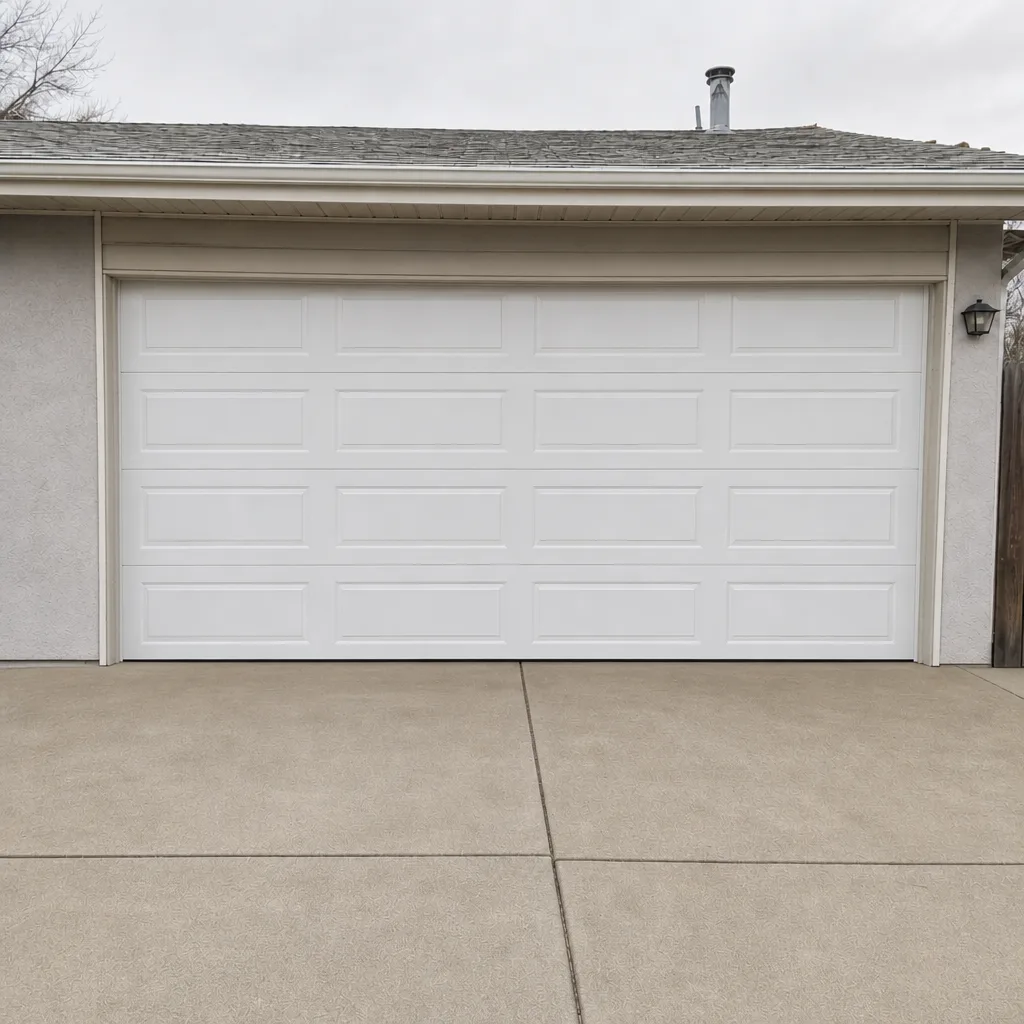 After
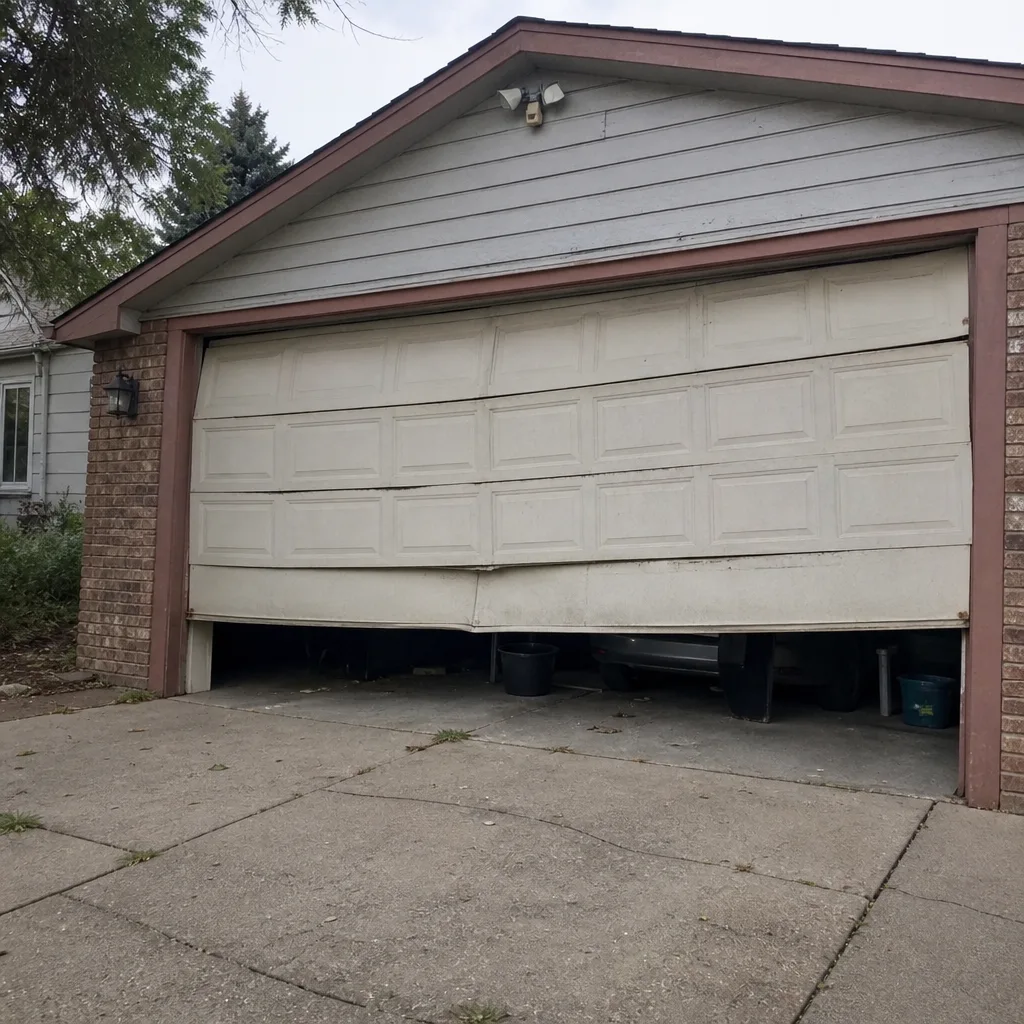 Before
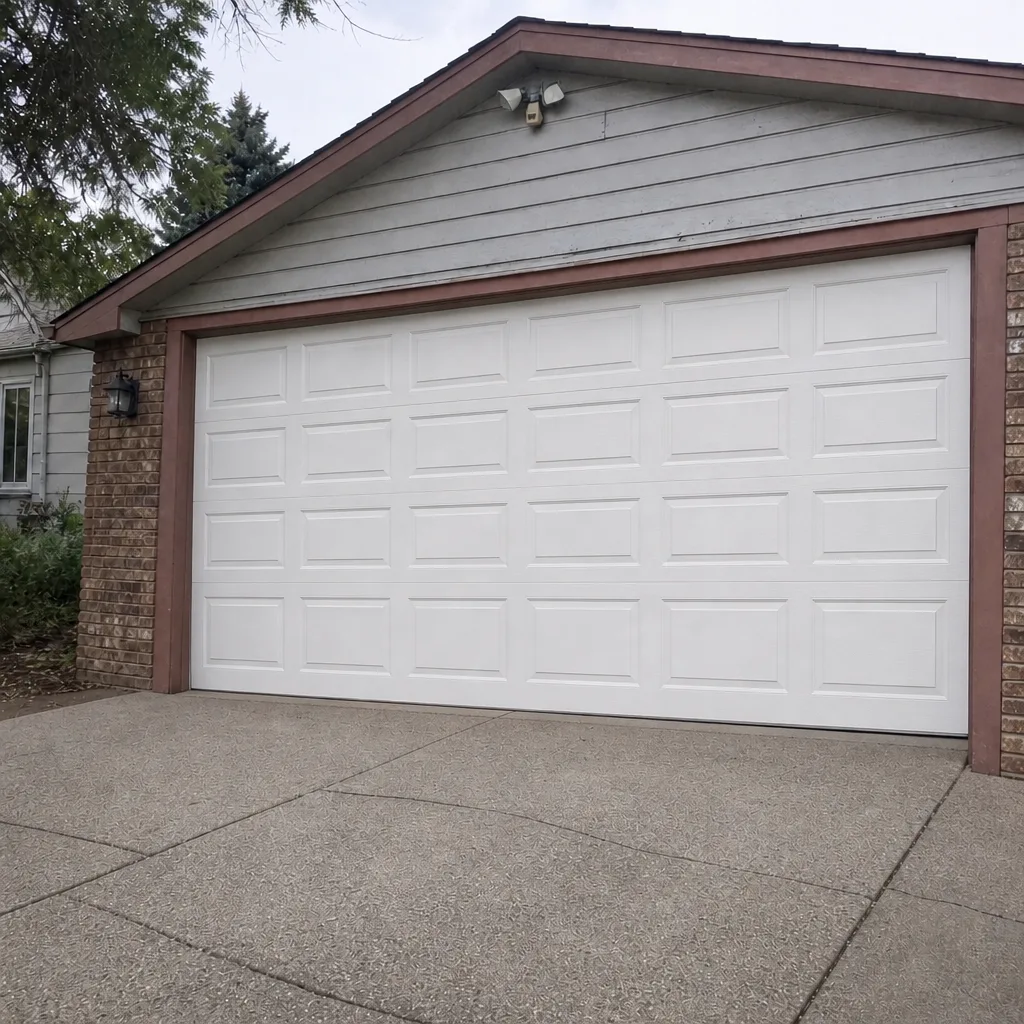 After
When to Call a Professional
If a door stopped working on a schedule you can’t live with, call. If a spring snapped, a cable let go, or the door feels off balance, call. If you’re planning a replacement and want to know whether the county will see it as maintenance or as an alteration, that’s a conversation we’re glad to have. We connect Seven Hills homeowners with licensed, insured local professionals who work on the brand already in the garage, from broken spring to brand-new door. A written estimate sets the price before any work starts, and the estimate is free. Call Garage Door Repair Seven Hills at (844) 443-4563. We answer 24/7. Fast dispatch from 7am to 7pm, Sunday through Friday. Repairs are often scheduled same day; replacement and new-door work is measured, ordered, and scheduled after a free measure and a written price.
Frequently Asked Questions
It depends on whether the job is a true like-for-like replacement or a change to the opening. Swapping a same-size door into the same opening with the same track is usually maintenance and doesn’t require a permit. Changing the size, the header, or adding a new opening typically does. Confirm with Jefferson County’s building department before work starts. Call (844) 443-4563 for a free estimate on the door side of the job.
Yes, when the garage is attached to the living space, the assembly between them needs to meet the fire-separation requirements of the building code. That affects the passage door, the wall, and any new opening. It’s a code point worth confirming with the county during a replacement. If you’re unsure how your setup measures up, call (844) 443-4563 and we’ll walk you through the assembly.
We don’t recommend it. Garage doors carry heavy springs under tension, and a poorly installed door can fail dangerously. Structural changes almost always need a permit and inspection anyway. A professional install plus the right paperwork is the safer path. Call (844) 443-4563 for a free measure and a written estimate.
Both processes are separate and can apply at the same time. HOA architectural review usually needs to happen before the door is ordered, because the committee may require a specific finish or model. The county permit covers code and structure. Run them in parallel. Call (844) 443-4563 if you want a door specification sheet to take to your committee.
It may or may not surface during the title search and buyer’s inspection. Same-size swaps often leave no trace; structural or dimensional changes are more likely to show up. If it does come up, remediation runs from documentation through corrective work. Pull the permit record before listing. If you need the door brought up to spec, call (844) 443-4563.
Look for a working safety reversing feature: the opener should reverse if something interrupts the beam or the door meets an obstacle. The exact setup depends on the model family, and brands like LiftMaster, Chamberlain, and Genie all handle it a little differently. Have an experienced technician test it when the door is serviced. Call (844) 443-4563 to book a check.
The Bottom Line
The permit question in Seven Hills comes down to one distinction: is the job a same-size replacement or a change to the structure? Maintenance stays simple. Alterations need a county permit, sometimes a structural review, and an inspection sequence that runs from rough-in to final. Add the fire-separation requirement for attached garages and the HOA review on top, and you have three separate checkpoints that all have to clear. The good news is that none of it is hard to do when it’s planned properly. Confirm the scope with Jefferson County, get HOA approval before you order the door, and have the work installed and inspected by a specialist who knows the brand already in your garage. Put the paperwork with your home records. Then the next owner buys a garage with a clean history, not a mystery. Garage door repair and installation in Seven Hills start with a free estimate at (844) 443-4563. We answer 24/7. Fast dispatch from 7am to 7pm, Sunday through Friday.
Written by the team at Garage Door Repair Seven Hills.