
Last updated November 20, 2026
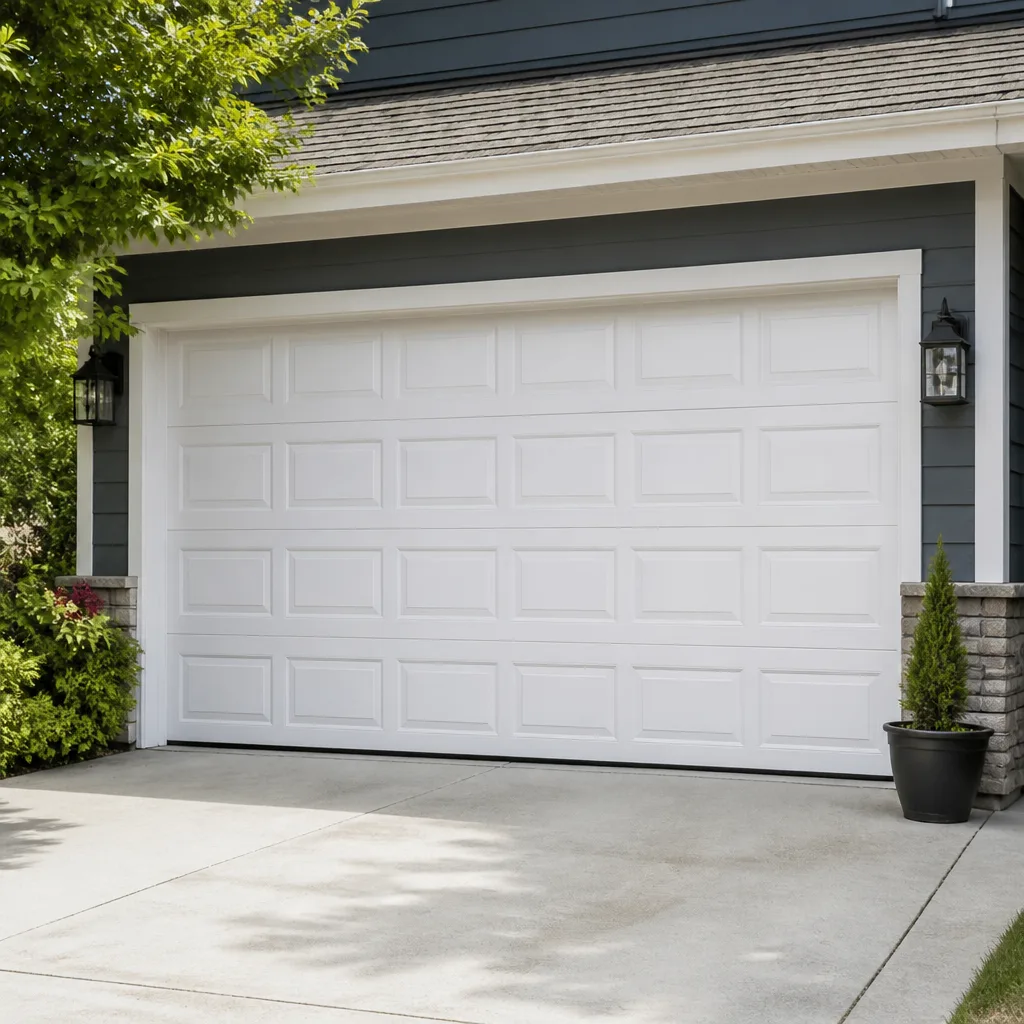 Raised-panel steel
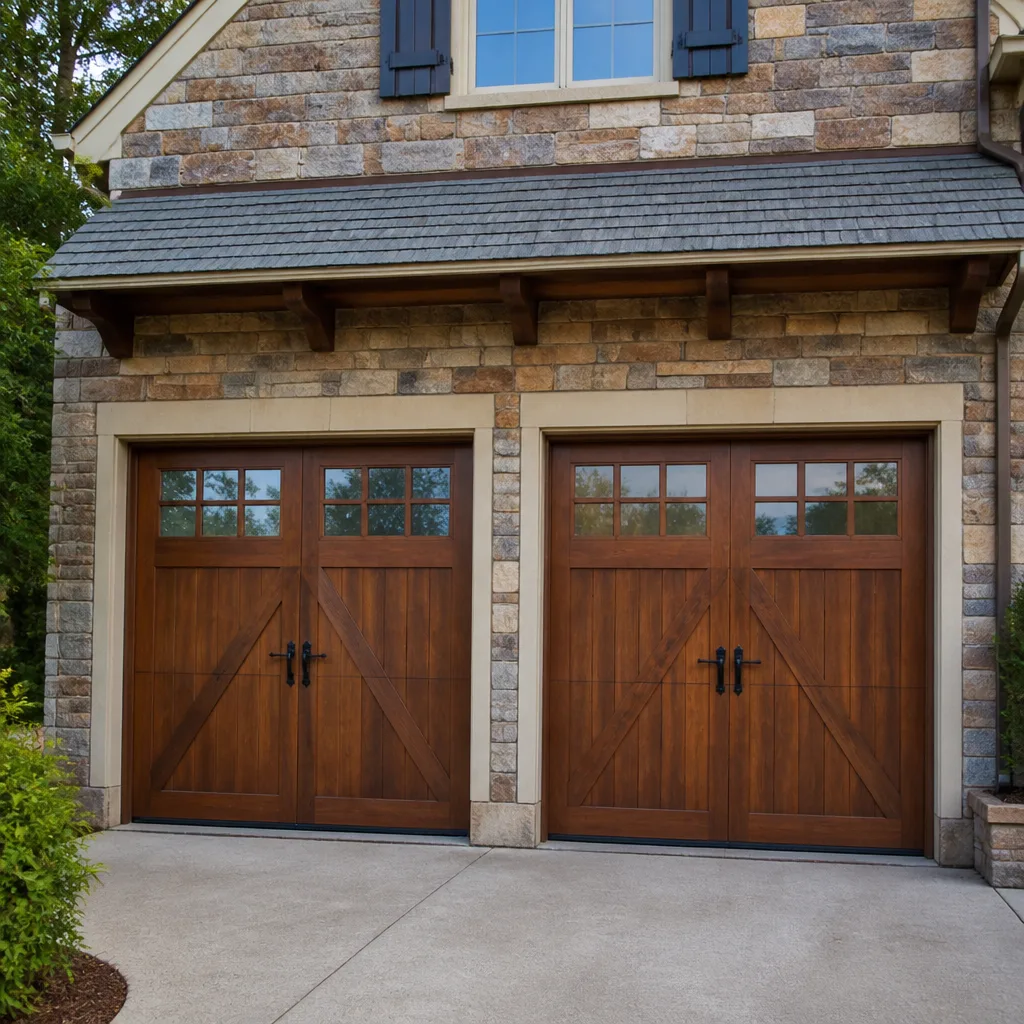 Carriage house
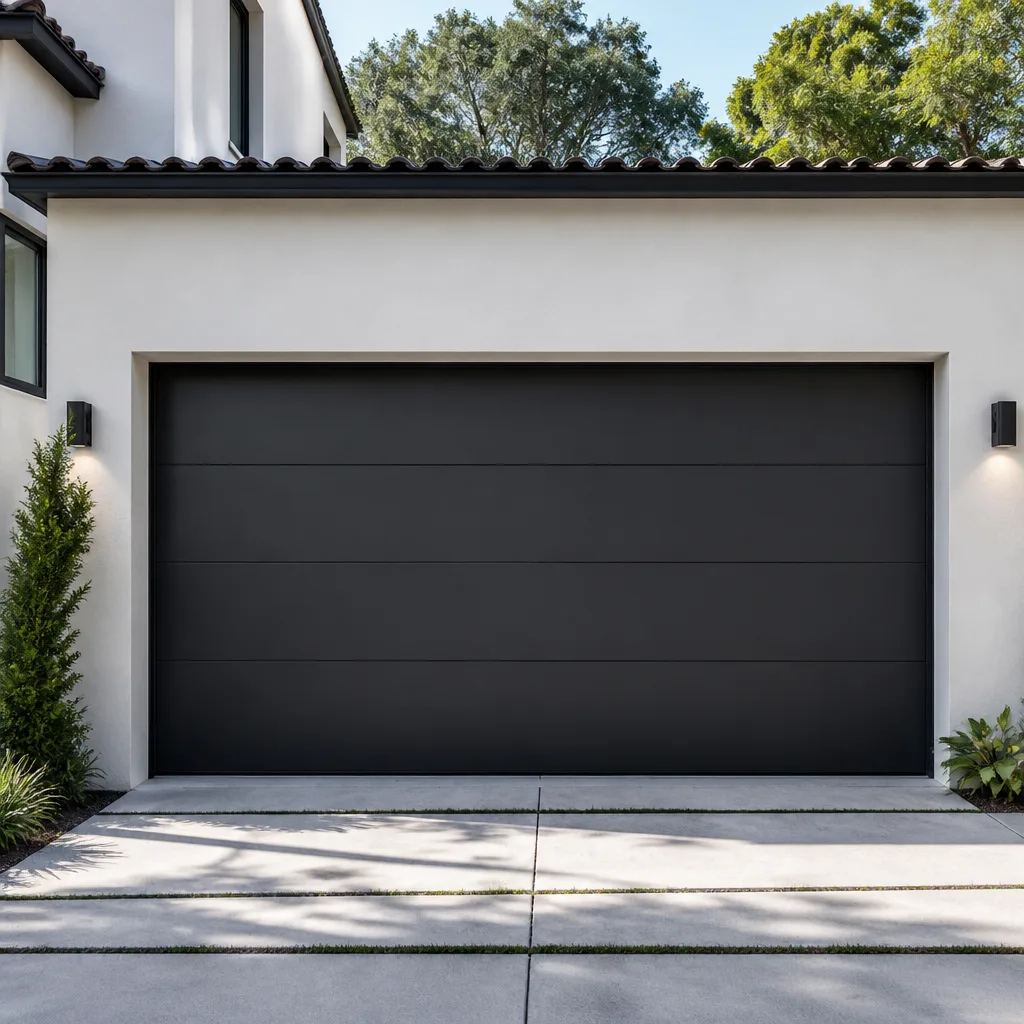 Modern flush
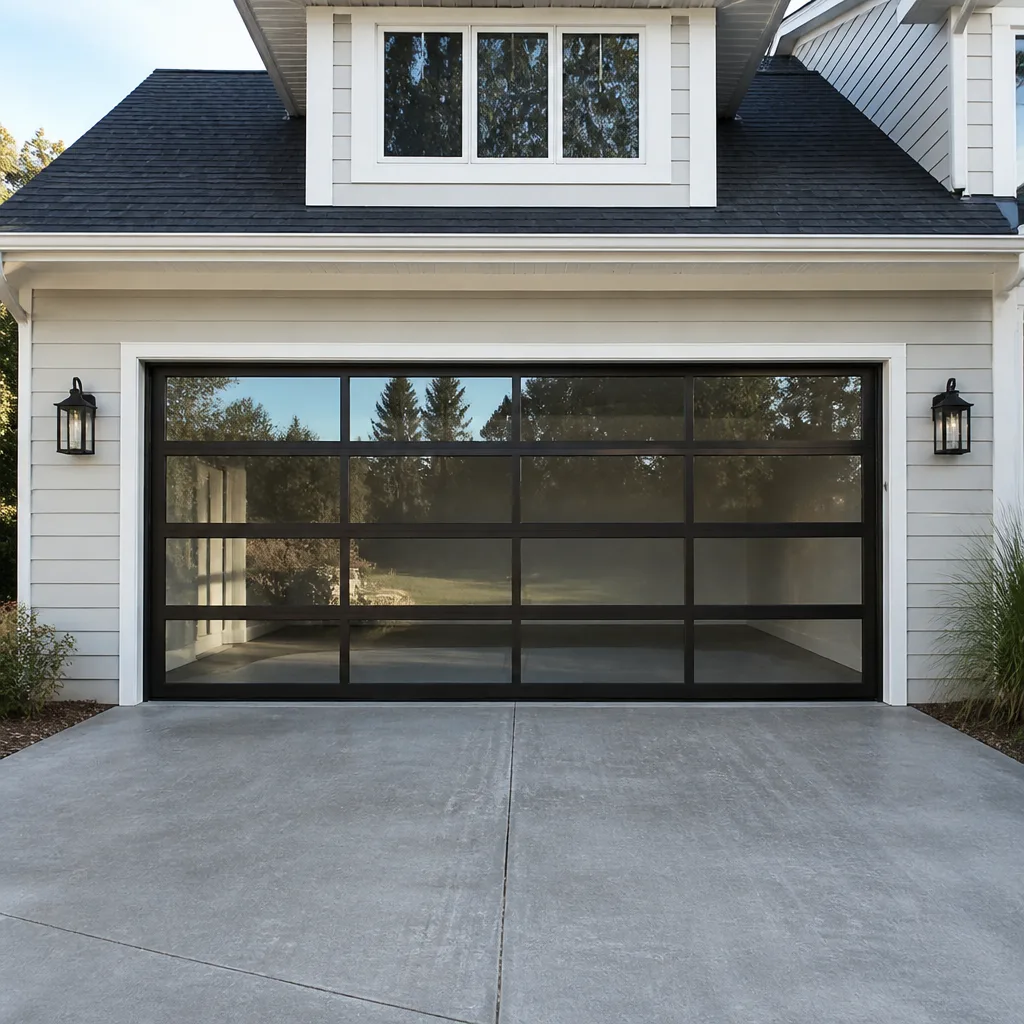 Full-view glass
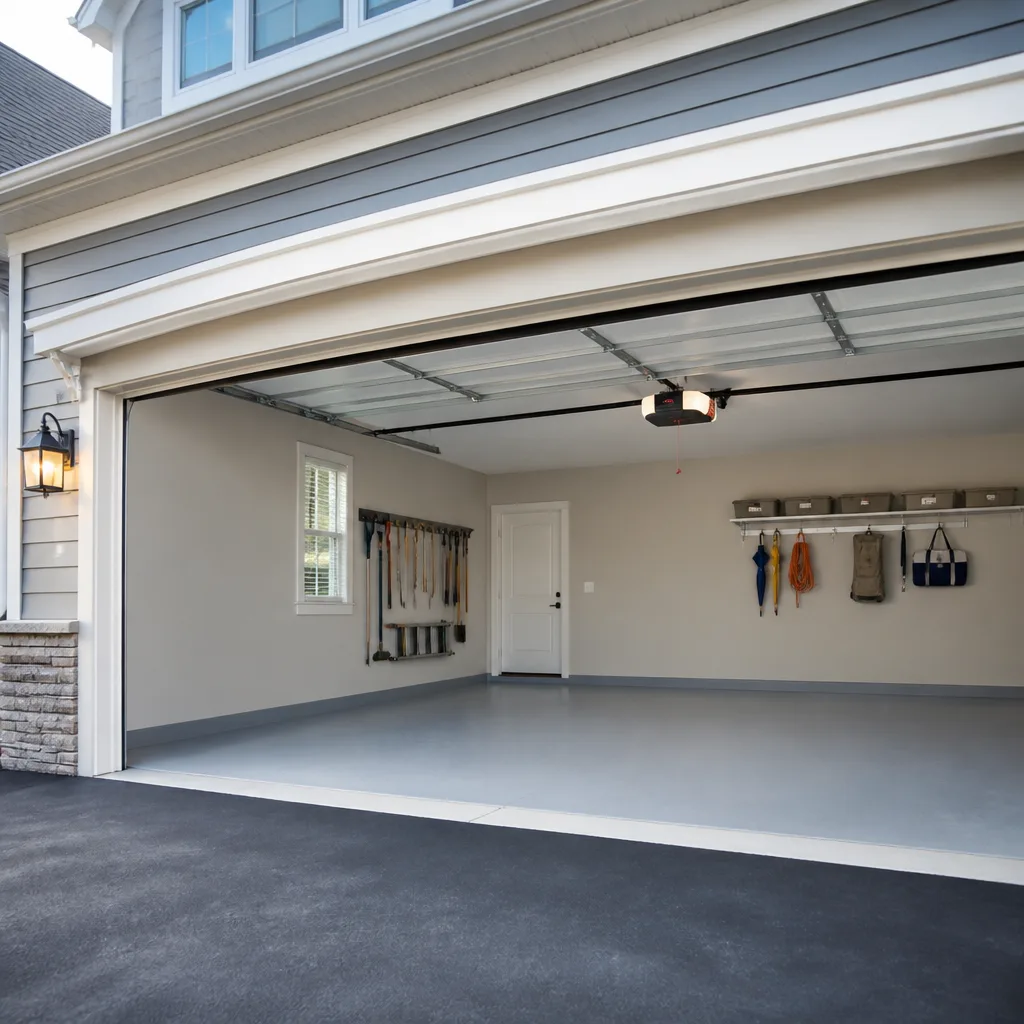 LiftMaster openers
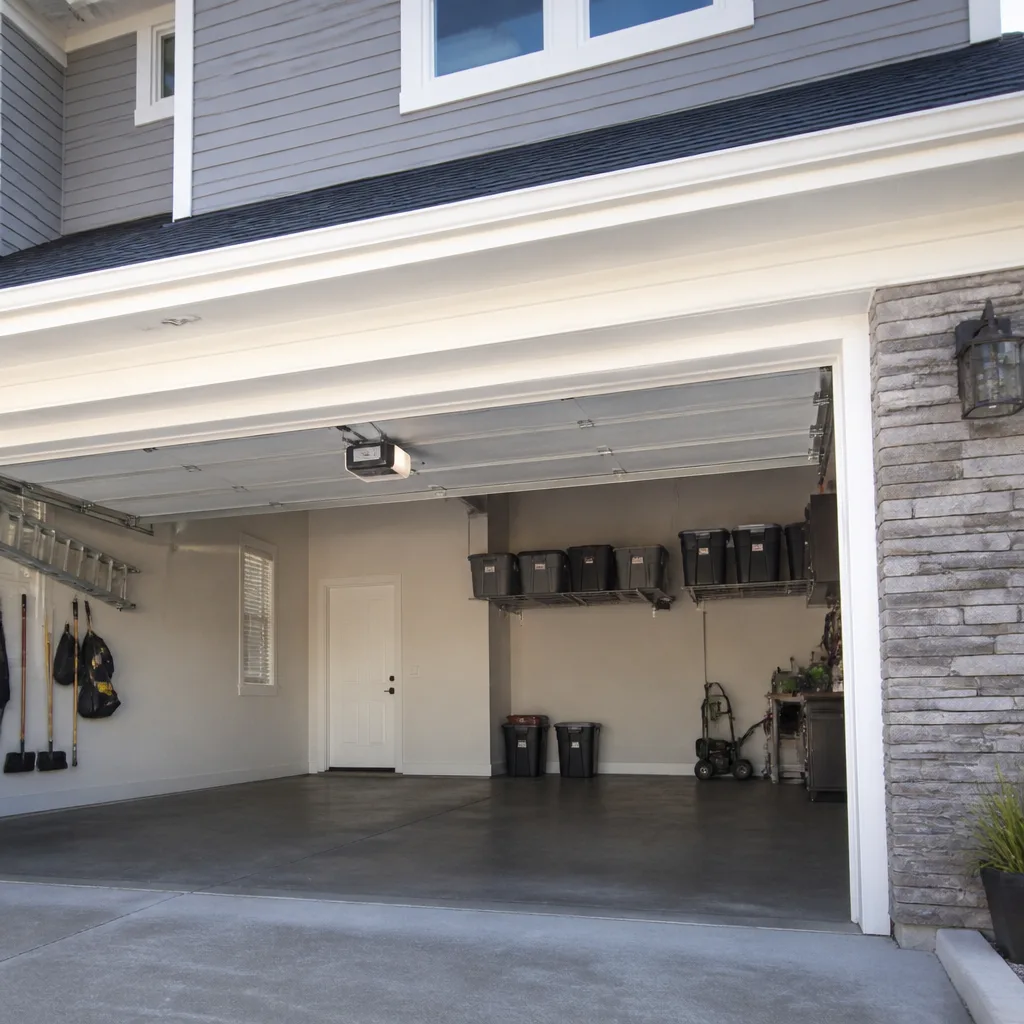 Chamberlain openers
Full 25-point door and opener safety check with every visit - springs, cables, rollers, tracks, and your LiftMaster or Chamberlain opener included
You get a price before we start. It does not change when the pro arrives.
Get your free estimateGarage Door Repair Maintenance Checklist for Seven Hills Homeowners
The most expensive garage door repairs we see aren’t caused by parts wearing out. They’re caused by homeowners who noticed something was off six months earlier but didn’t know if it was serious. A checklist that only says “check rollers” doesn’t help you decide whether to pick up the phone. What you need are pass/fail criteria: how much wobble is too much, what a bent track looks like next to a worn roller, and which sounds mean “lubricate this” versus “stop using the door.” This guide gives you those tolerances, component by component, written for the temperature swings Seven Hills garages actually see.
Quick Answer
A working garage door should open and close smoothly with one hand on the manual release, no wobble beyond a half inch at the bottom panel, and no grinding or popping. If you can lift the door halfway and it stays put, your springs are balanced. If it slams down or won’t hold, stop using the opener and call a specialist. Lubricate hinges, rollers, and the opener rail twice a year, and inspect cables and springs visually every season but never touch them.
Styles & brands we work with
- Raised-panel steel
- Carriage house
- Modern flush
- Full-view glass
- LiftMaster openers
- Chamberlain openers
Table of Contents
- The 10-Minute Visual Inspection
- The Balance Test and Manual Lift Resistance
- Component-by-Component Lubrication Guide
- Seasonal Adjustment Points for Colorado Temperature Swings
- Reading Your Opener’s Self-Diagnostic Codes
- DIY-Safe Tasks vs. Call-a-Tech Tasks
- Safety Sensor and Auto-Reverse Checks
- When Repair Stops Making Sense
The 10-Minute Visual Inspection
Start with your eyes, not your tools. A visual pass catches most developing problems before they become repairs. Stand inside the garage with the door closed and look at the whole system, then repeat with the door open. Most Seven Hills homes have doors on standard two-car garages, and the visual inspection takes about ten minutes once you know what to look for.
Work through these checks in order:
- Springs. Look at the torsion spring above the door (a coil running parallel to the header) or the extension springs along the sides. A gap in the coil means the spring has snapped. Stop using the door.
- Cables. Check the steel cables running along the sides for fraying, kinks, or slack. A cable hanging loose is dangerous and means a spring has failed or a drum has slipped.
- Rollers. Look at the wheels inside the track. A good roller is round and quiet. A worn roller is flat-spotted, cracked, or has a wobbly stem.
- Track. Run your eye along the vertical and horizontal track. Bends, dents, or a track that has pulled away from the wall are all fail points.
- Hinges and brackets. Check for loose screws, rust, or cracked metal where the hinges attach to the panels.
- Panels. Look for dents, cracks, or separation between sections. A door that’s out of alignment will show gaps at the seams.
- Weather seal. The rubber strip at the bottom should touch the floor evenly with no light showing through.
If everything passes, you’ve done the most valuable part of the checklist. If something fails, the sections below tell you whether it’s a lubricate-it-yourself item or a call-someone item.
The Balance Test and Manual Lift Resistance
The balance test tells you whether your springs are still carrying the door’s weight. Disconnect the opener first (pull the red release cord) so you’re testing the door, not the motor. Lift the door by hand to about waist height, then let go.
- Pass: The door stays roughly where you left it, maybe drifting an inch or two. That means the springs are balanced.
- Fail (door falls): The springs have lost tension or one has broken. Do not use the opener. A door that falls on its own is a serious hazard.
- Fail (door rises): Springs are over-tensioned or the wrong size for the door. This stresses the opener and the door.
- Fail (heavy resistance): If you have to strain to lift the door, something is binding. Could be a roller, a track, or a failing spring.
How much resistance is too much? If you need two hands and real effort to lift a door that should be balanced, that’s a fail. A properly balanced single-car door should lift with one hand and modest force. A double door takes more, but it should still move without grunting. If your door fights you, the opener is fighting it too, and that’s where premature motor failure comes from.
This test is safe as long as you never put your hands near the springs or cables. If anything feels loose or looks wrong, step back. Our technicians have up to 15 years of experience with these balance issues, and it’s a quick diagnosis for a trained eye.
Component-by-Component Lubrication Guide
Lubrication is the cheapest maintenance you can do, and the most misunderstood. The wrong product on the wrong part causes more problems than no lubrication at all. Here’s what goes where:
- Hinges: A few drops of light machine oil or a white lithium spray at each pivot point. Wipe off the excess so it doesn’t attract grit.
- Rollers: For metal rollers, a light oil on the stem (the shaft, not the wheel). For nylon rollers, skip the oil; they’re designed to run dry. If you’re not sure which you have, look at the color – white or gray is usually nylon.
- Track: Do not lubricate the track itself. A dry track with clean rollers runs better than a greasy one that collects dust. Wipe it down with a dry rag instead.
- Opener rail and chain: A light coating of white lithium grease on the chain or screw drive, following the opener manufacturer’s recommendation. LiftMaster and Chamberlain both publish their own specs, and they’re worth reading.
- Torsion spring: Never spray anything on a torsion spring. No oil, no grease, no silicone. The coil is under extreme tension and any lubricant that creeps into the coil can cause the spring to slip or bind. Leave it alone.
Springs, cables, and the torsion hardware are the three things you never touch. They’re under enough stored energy to cause serious injury, and there’s no home fix that makes them safer. The rest of the lubrication routine takes about fifteen minutes and pays for itself in quiet operation.
Seasonal Adjustment Points for Colorado Temperature Swings
Seven Hills sits along the Front Range where garage temperatures swing from single digits in January to the high 90s in August. That range affects your door more than most homeowners realize. Steel contracts in the cold and expands in the heat, and the cables and springs react to both.
The most noticeable change is cable tension. In cold weather, cables can tighten slightly, which is why doors sometimes feel stiff on a January morning. In summer, the same cables relax, and a door that was quiet in winter may start to rattle. Neither is a sign of failure on its own, but both are worth noting.
Your seasonal checklist:
- Late fall (before the first freeze): Lubricate all moving parts. Check the weather seal at the bottom; cold air and snowmelt find every gap. Test the auto-reverse.
- Mid-winter: Listen for new sounds. If the door grinds or pops in cold weather and stops when it warms up, a roller or hinge is binding.
- Spring (after the last freeze): Recheck balance. Cables that were tight all winter often need a look. Clean the tracks and re-lubricate.
- Summer: Watch for rattles and looseness. Heat relaxes cables, and hardware that was snug in winter can work loose.
If your door needs a real adjustment and not just a re-lube, that’s the point to call. We handle garage door repair across Seven Hills, and a seasonal tune-up is a good time to catch small issues before they strand you.
Reading Your Opener’s Self-Diagnostic Codes
Modern openers tell you what’s wrong if you know where to look. The three brands we work on most in Seven Hills – LiftMaster, Chamberlain, and Genie – each have a diagnostic system, and reading it before you call saves time and often a service visit.
- LiftMaster and Chamberlain (myQ ecosystem): These openers flash the main light a set number of times, then pause, then repeat. The number of flashes corresponds to a specific fault. Common ones include obstructions in the safety sensor path, a logic board issue, or a motor overload. The owner’s manual has the full flash-code table, and the myQ app sometimes reports the fault directly.
- Genie: Newer Genie models use a diagnostic LED on the motor head that blinks in patterns. Older models rely on the safety sensor LEDs – one solid, one blinking usually means misalignment.
- Craftsman and Raynor: Older Craftsman units often use the same flash-code approach as LiftMaster. Raynor openers vary by model; the manual is the reference.
If the code points to a sensor or a remote, that’s often a DIY fix. If it points to the logic board, the motor, or the capacitor, that’s opener repair territory. We handle garage door opener repair on all these platforms, and reading the code first means the technician arrives knowing what to expect.
One habit worth building: when the opener misbehaves, count the flashes before you do anything else. It takes thirty seconds and it tells the story.
DIY-Safe Tasks vs. Call-a-Tech Tasks
The single most useful skill in garage door maintenance is knowing what not to touch. Here’s the honest split:
Safe to do yourself:
- Lubricating hinges, rollers, and the opener rail
- Wiping down the track with a dry cloth
- Cleaning the safety sensor lenses and checking alignment
- Replacing remote batteries and re-pairing remotes
- Visual inspection of springs, cables, and panels
- Tightening a loose hinge screw (with the door closed and the power off)
Call a technician:
- Any spring work, including adjustment, replacement, or a snapped torsion spring
- Cable replacement or re-tensioning
- Track straightening or re-alignment
- Roller replacement on a torsion-spring door (the spring has to be released first)
- Opener motor, logic board, or capacitor replacement
- Door panel replacement or full door replacement
The rule of thumb: anything that requires releasing tension, removing a bracket, or getting your hands near a spring or cable is a technician’s job. The stored energy in a torsion spring is enough to break bones. Our technicians have up to 15 years of experience with these systems, and it’s the one part of the door where DIY shortcuts go wrong.
Safety Sensor and Auto-Reverse Checks
Your door has two safety systems, and both deserve a monthly test. The photo-eye sensors sit about six inches off the floor on either side of the door. The auto-reverse is built into the opener.
- Photo-eye test: With the door open, wave your hand through the beam. The door should not close, or if it’s already closing, it should reverse. If the door closes anyway, the sensors are misaligned or blocked.
- Auto-reverse test: Place a roll of paper towels or a piece of wood flat on the floor where the door will land. Close the door. It should hit the object and reverse within a couple of inches. If it keeps pushing, the opener’s force setting is too high and needs adjusting.
- Sensor light check: Both sensor lenses should have a solid LED. If one is blinking, the beam is broken or the sensor is misaligned. Clean the lenses first, then check alignment.
This is the one maintenance task that’s genuinely a safety issue for the whole household. A door that won’t reverse on contact is a hazard to kids, pets, and anyone walking through. If it fails, stop using the door until it’s fixed.
When Repair Stops Making Sense
Every door reaches a point where repair costs more than it’s worth. Here’s how to decide.
- Repair if the door is under 15 years old, the panels are intact, and the problem is a single component like a spring, roller, or opener.
- Consider replacement if the door is showing multiple failures at once – a bent track plus worn panels plus a failing opener.
- Replace if the panels are rusted through or cracked, or if the door is so out of balance that repeated repairs aren’t holding.
When replacement is the right answer, we handle garage door installation and can talk through the options for your home – steel, insulated, or a style that matches the house. Amarr and Wayne Dalton both make doors that suit the Seven Hills housing stock, and we work on the brand already in your garage. For the broader picture of what we cover, see Garage Door Repair Seven Hills.
Common Mistakes to Avoid
- Spraying WD-40 on everything. It’s a solvent, not a lubricant, and it strips the grease your rollers need. Use a proper lubricant.
- Greasing the track. A greasy track collects dust and grit, which wears rollers faster. Keep it clean and dry.
- Ignoring a snapped spring. Some homeowners keep using the opener after a spring breaks. The opener can’t lift the door alone, and forcing it damages the motor.
- Adjusting the opener’s force setting to compensate for a binding door. That masks the real problem and disables the safety reverse. Fix the door, not the opener.
- Replacing one roller at a time. Rollers wear at the same rate. If one is flat-spotted, the rest are close behind. Replace the set.
- Assuming a rattle means the opener is failing. Most rattles are loose hinges or worn rollers. Check those first.
- Skipping the winter lubrication. Cold weather makes metal stiff. A fall lube job keeps the door quiet through a Seven Hills January.
See the difference
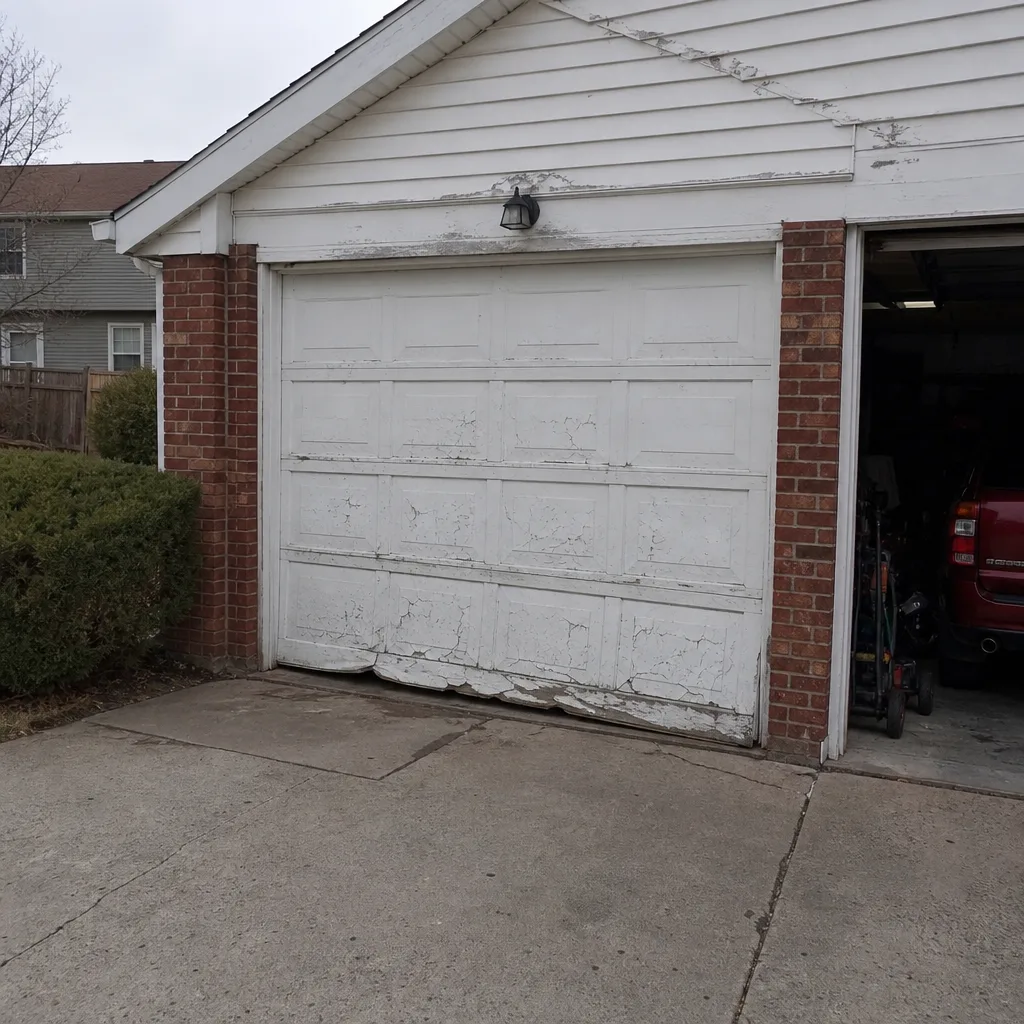 Before
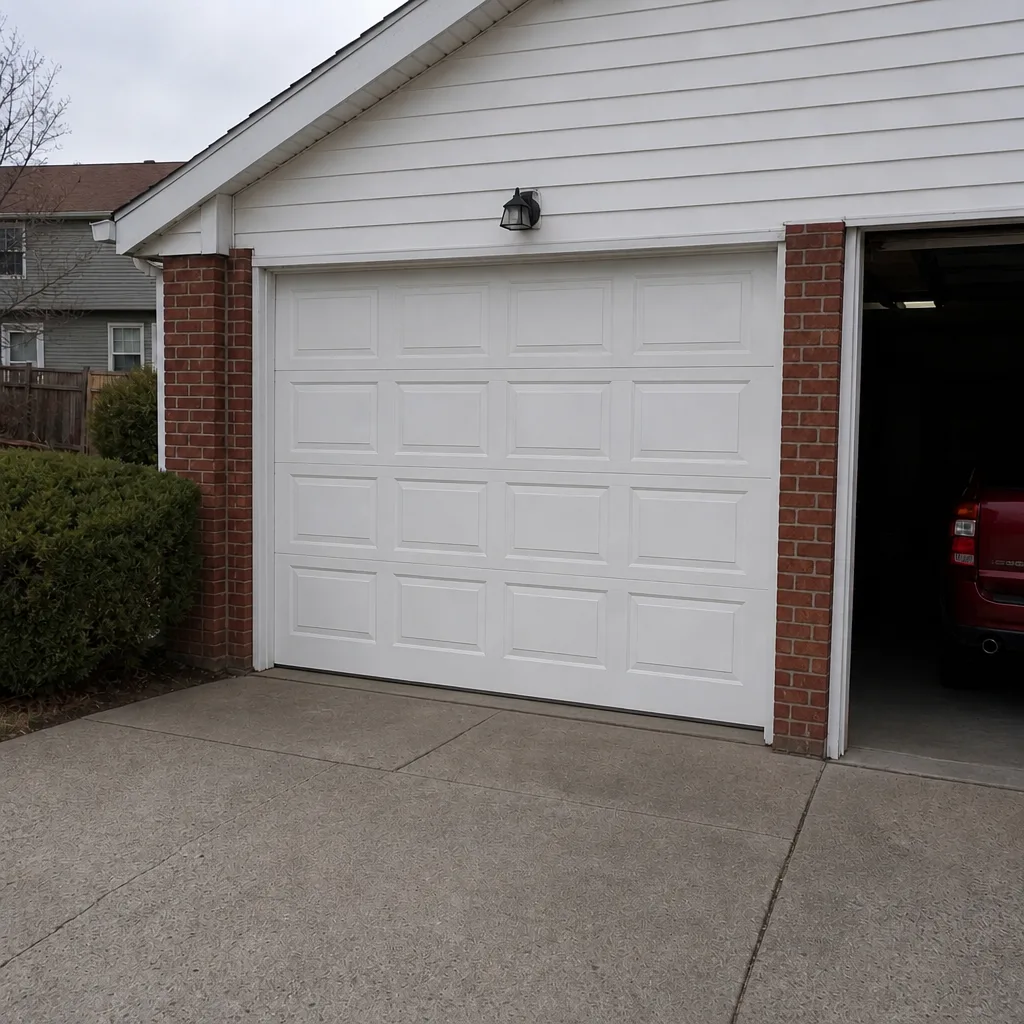 After
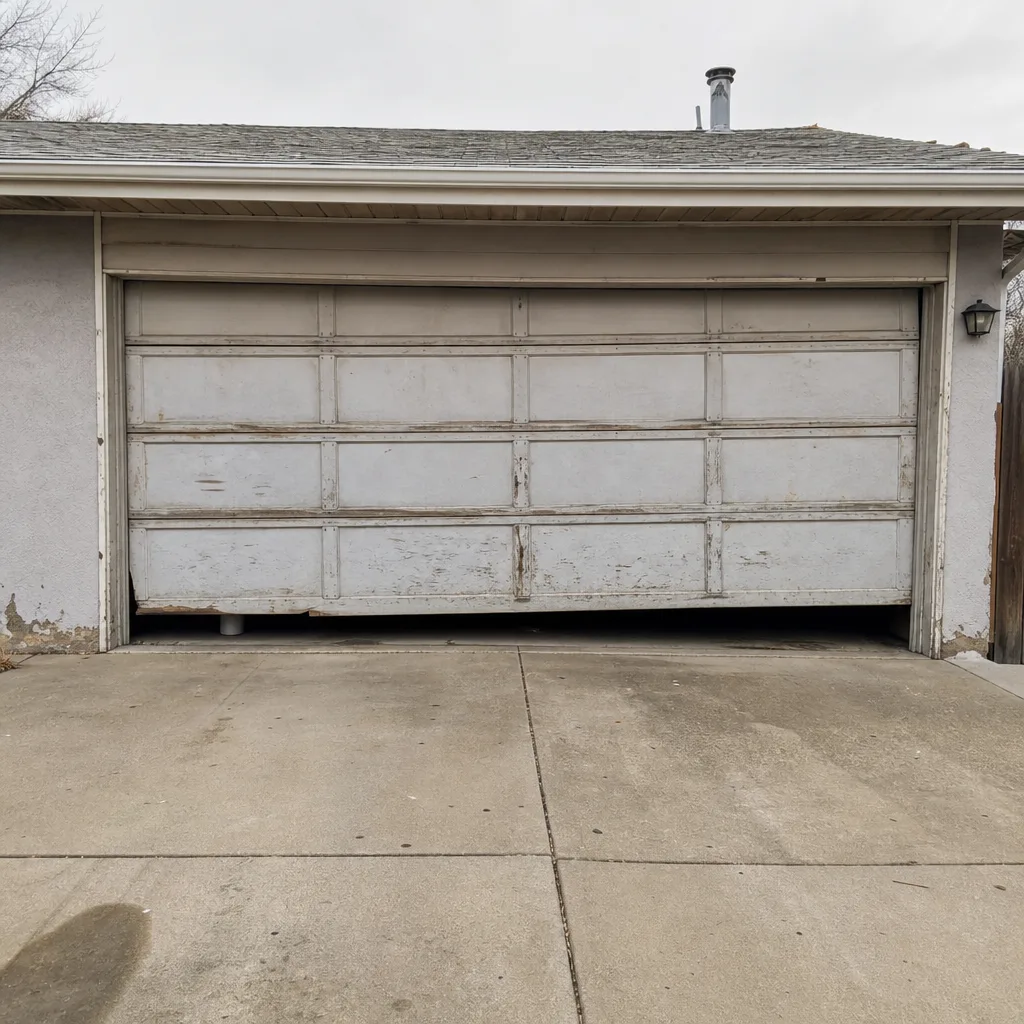 Before
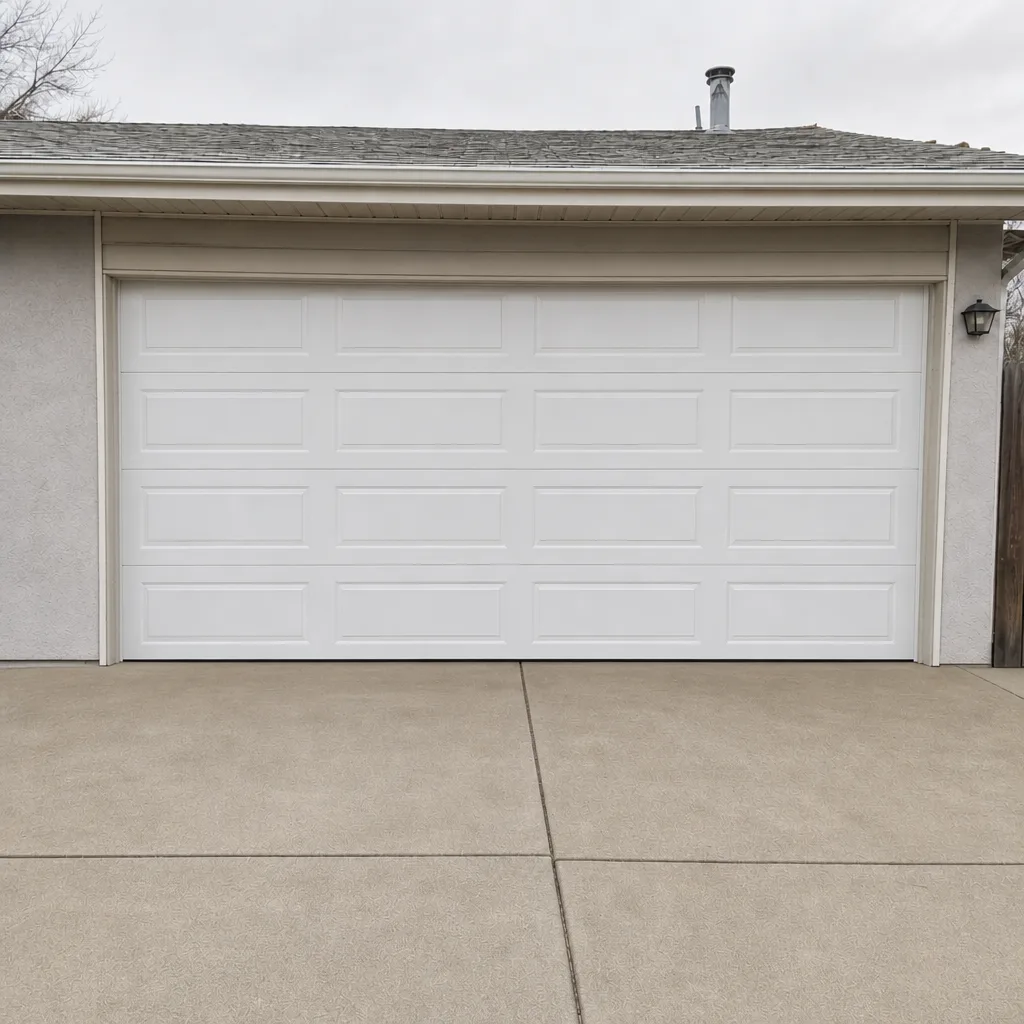 After
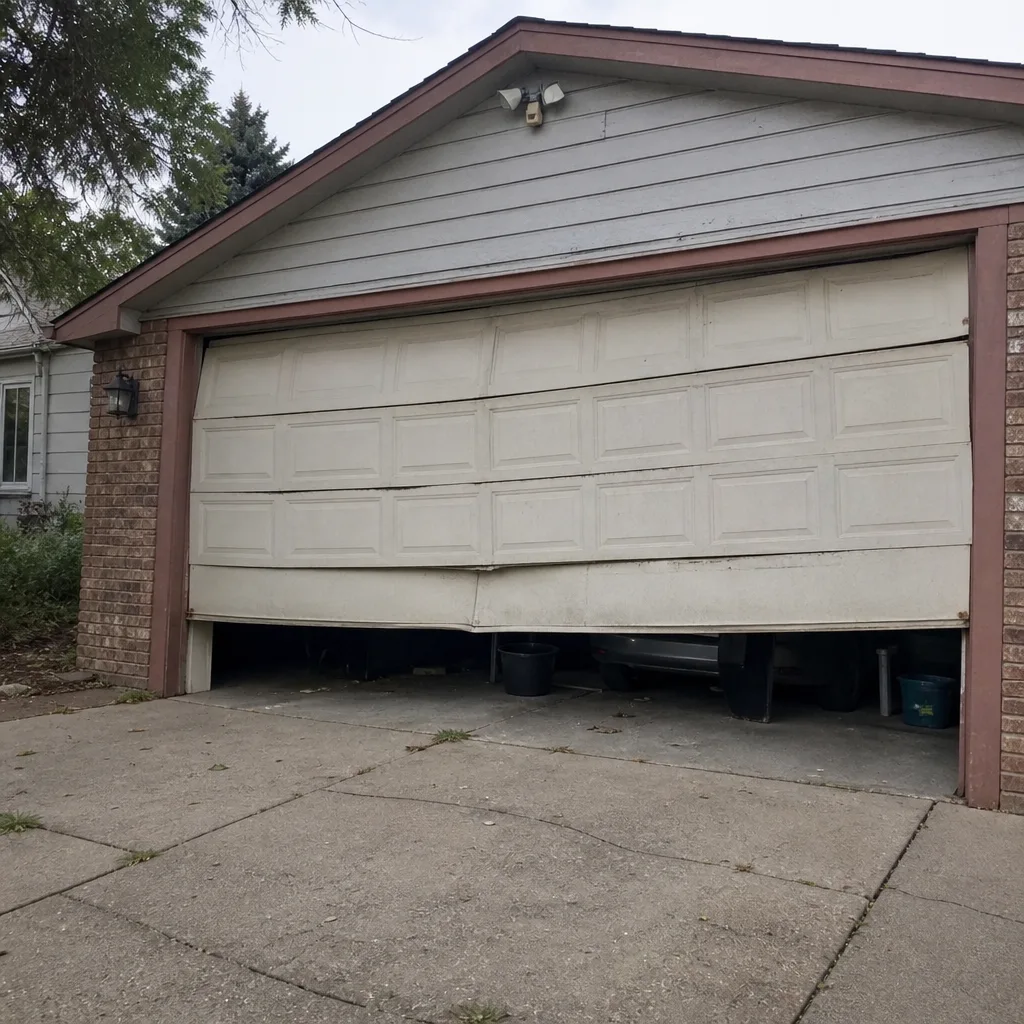 Before
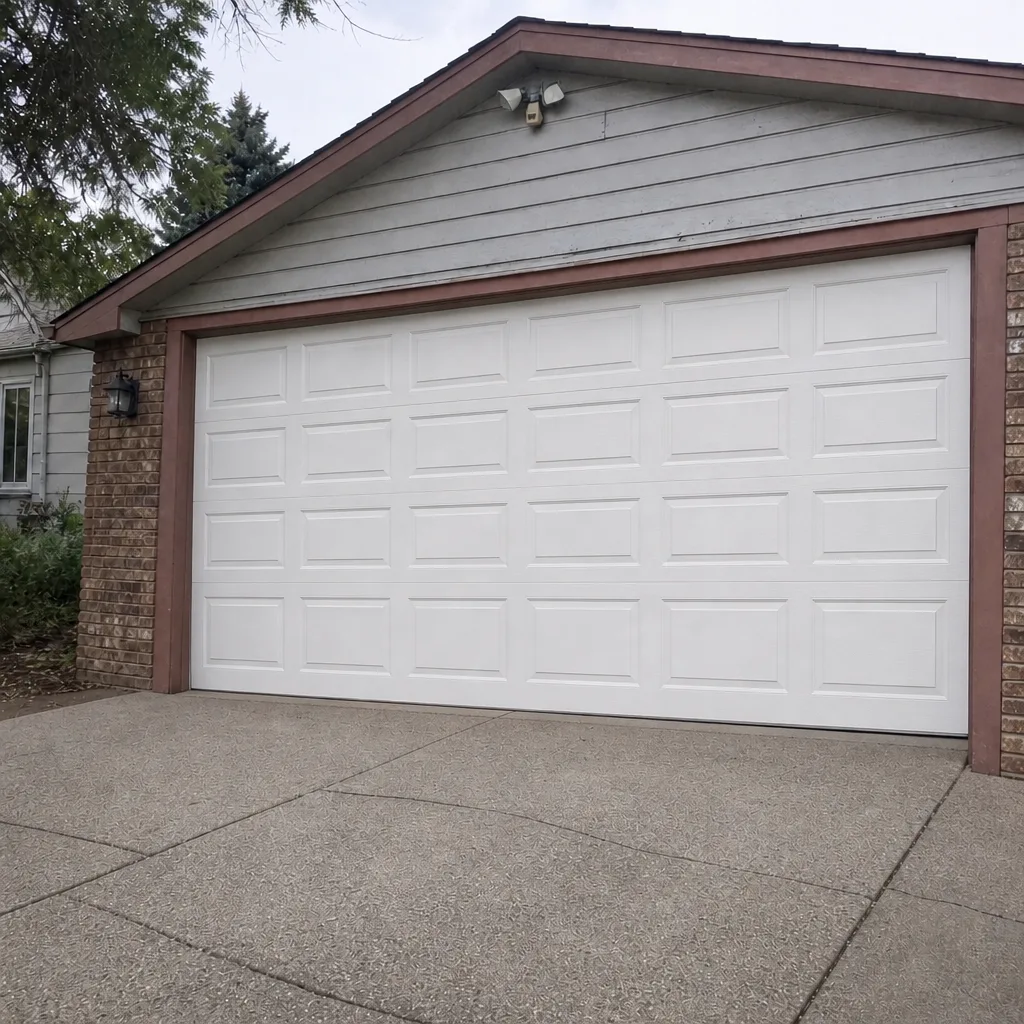 After
When to Call a Professional
Call a technician when the problem involves springs, cables, or the structural alignment of the door. Those three are the areas where a home fix is genuinely dangerous, and where the wrong adjustment causes bigger damage. Also call if the opener shows a fault code that points to the motor or logic board, if the door won’t stay balanced, or if you’re hearing a new sound that doesn’t go away after lubrication. For anything beyond lubrication and sensor cleaning, a diagnosis is cheaper than a mistake. Garage Door Repair Seven Hills offers free estimates in Seven Hills – call (844) 443-4563. We answer 24/7. Fast dispatch from 7am to 7pm, Sunday through Friday.
Frequently Asked Questions
Twice a year is the standard – once in late fall before the cold sets in and once in spring after the last freeze. The Colorado temperature swings between winter and summer make the Front Range harder on lubricant than milder climates, so the fall lube is especially important. Call (844) 443-4563 for an exact quote – estimates are free.
A professional tune-up and safety inspection is typically quoted per job by written estimate, and the price is set before any work starts. The cost depends on what the inspection turns up: a simple adjustment is one thing, a spring or cable replacement another. Call (844) 443-4563 for an exact quote – estimates are free.
No. Torsion springs are under enough tension to cause serious injury, and the tools and technique required aren’t safe for a homeowner. This is the one garage door task that always belongs to a trained technician. If your spring has snapped, stop using the door and call us.
Cold thickens the lubricant, stiffens the metal, and changes cable tension. A door that feels slightly stiffer in January is often just reacting to temperature. If it’s noticeably heavy or won’t stay open, the springs may be losing tension and need a check.
The number of flashes corresponds to a specific fault code in your opener’s manual. LiftMaster and Chamberlain units flash the main light in a repeated count, and Genie models use a diagnostic LED. Count the flashes, check the manual, then call if the code points to the motor or board.
If the problem is one component – a spring, a roller, an opener – repair is usually the right call. If the door has multiple failures, rusted panels, or repeated balance problems, replacement might cost less over time. A free estimate tells you which way to go.
The Bottom Line
A garage door maintenance checklist is only useful if it tells you when to stop and call. Lubricate the moving parts twice a year, test the balance and safety reverse monthly, and watch the seasonal changes that Colorado brings. Springs, cables, and track alignment are technician territory, and no checklist changes that. The rest you can handle yourself. Garage Door Repair Seven Hills works on the brand already in your garage, from broken spring to brand-new door, with free estimates and a written price before any work starts. Call (844) 443-4563. We answer 24/7. Fast dispatch from 7am to 7pm, Sunday through Friday.
Written by the team at Garage Door Repair Seven Hills.